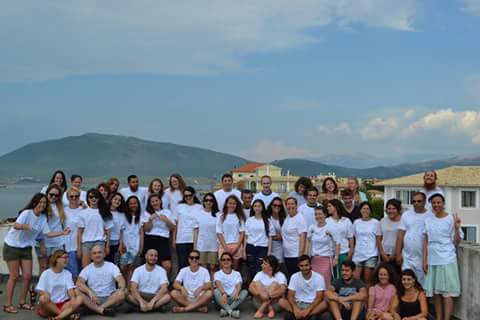
Three participants from Macedonia (Sanja Tonevska, Drazen Kotevski and Aleksandar Alabakovski) participated in the project to create an online platform that will train EVS volunteers (European Voluntary Service), and participants become the first e-mentors of EVS.
The project includes representatives from 11 countries: Greece, Romania, France, Macedonia, Bulgaria, Spain, Poland, Georgia, Tunisia, Ukraine and Armenia. The project ran from June 10 to 20 in Lefkada, Greece, it continued with a training in Romania (August 10-20) and will have its finish on the final event in October, in Lefkada, Greece.




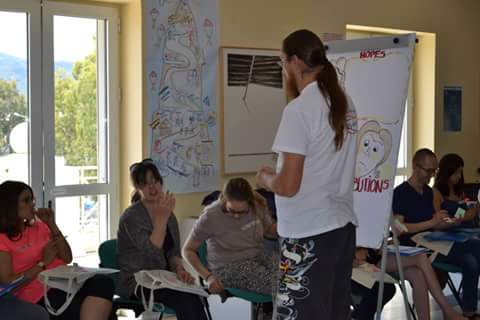
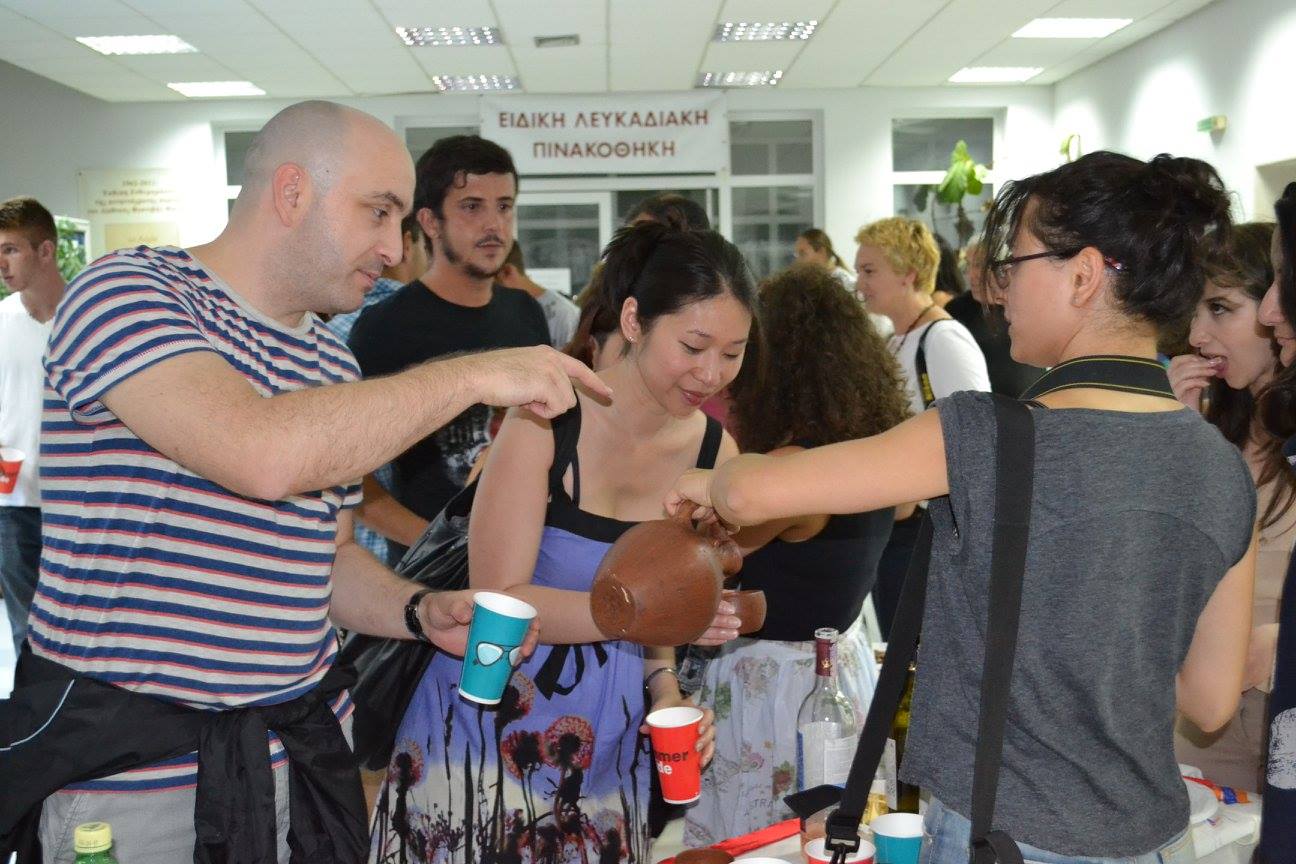
The project is funded by Erasmus +, and its purpose was to create online courses for future volunteers. The courses are divided into 10 different topics, according to the needs and preferences of potential volunteers. The aim of the courses is young people who wish to volunteer in one of the member countries of the EVS, to gain information and knowledge about the activities. For example, a course titled “Working with people with disabilities” includes information about different types of disabilities (physical, mental, blind, and deaf, etc.). There are also a variety of exercises and questions that potential volunteers need to respond and to obtain a certificate for successful completion of the training. At the same principle is created and the remaining 9 courses which include work with the elderly, intercultural cooperation, EVS and career , etc.
The second part of the project that includes the testing and evaluation of the courses was held in Romania from 10 to 20 August. Final preparations before the final commissioning in October are under preparations also in Lefkada.
The project offers many benefits for everyone involved. On the one hand, there are participants who had the opportunity to learn about different cultures and of course to give their maximum contribution, each in their vocational area. On the other, there are the current and future volunteers. These are young people who often go to unknown countries and everything is new for them,- language, culture, habits, and further need to work with a certain population, so these information are of tremendously Importance. And certainly, the third part are the partner organizations, among them and CEFE Macedonia, which has strength capacities to answer the needs of the European Voluntary Service.